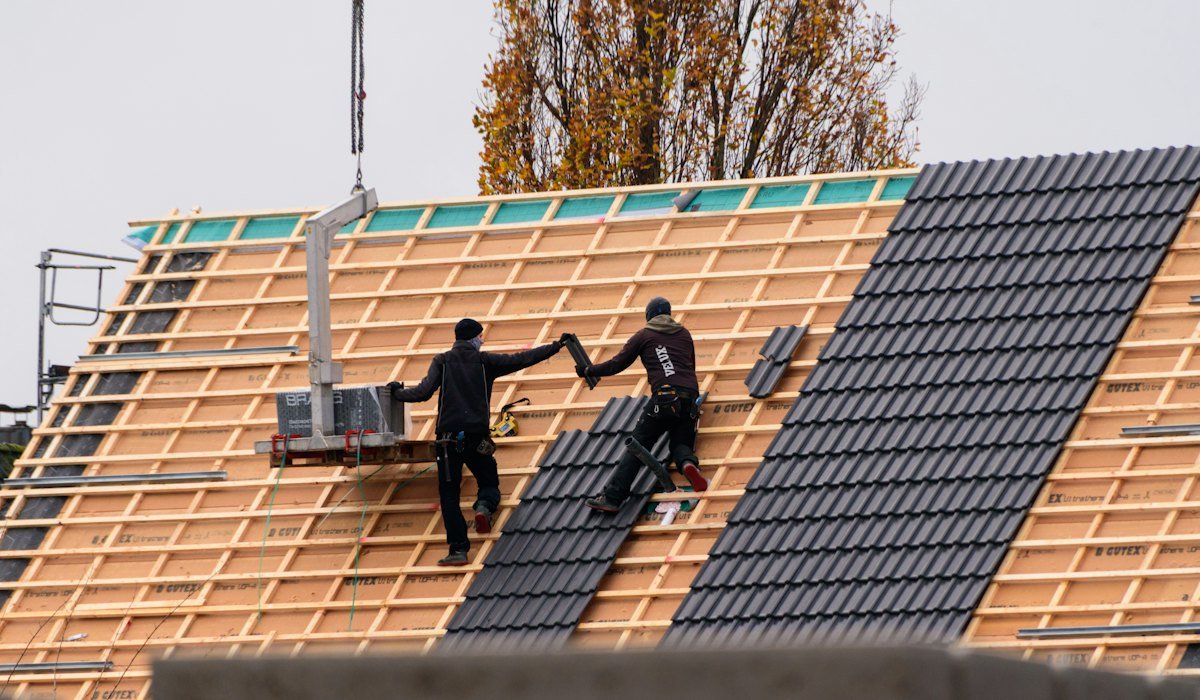
Our roof installation approach in Layton
Good installation starts before the first shingle. We look at roof pitch, drainage, attic airflow and the way snow tends to sit on your home. Those details guide the choice of underlayment, ice barrier, flashing and surface material, so the finished roof suits the house instead of following a one size plan.
During the work we protect landscaping, keep materials organized and check each layer as it goes down. Valleys, chimneys, vents and wall joints get careful attention because most leaks begin at those spots. When the job is done we walk through the result with you and answer questions about care and warranty terms from the material maker.
When a new roof installation makes sense
New construction
A new home, shop or detached garage needs a roofing system planned around its pitch, drainage and ventilation from the first day.
Additions and remodels
Added rooms and covered patios create new joints with the existing roof. Those transitions need flashing that directs water away from both sections.
Code and insurance requirements
A permit review or an insurer may call for work on an unfinished or failing roof. Confirm the exact requirement before choosing materials.
Upgrading materials
Some owners move to heavier shingles or metal for wind resistance, snow handling or appearance. The deck and framing should suit the new system.
What our Layton roof installation includes
- Roof measurement and material planning
- Underlayment and ice barrier at vulnerable areas
- New drip edge, flashing and pipe boots
- Shingle, metal or membrane surface installation
- Site cleanup and a final walkthrough
Planning a new roof for Layton weather
A roof in Layton has to cope with very different seasons. Winter brings snow, freezing nights and thawing afternoons, while summer sun at more than 4,000 feet is hard on exposed material. Strong winds can come off the Wasatch Range with little warning, especially along the east side of the city.
For a new installation we talk about the shingle wind rating and the nailing pattern the maker requires, how far ice barrier should extend up from the eaves and whether the attic has enough intake and exhaust. These choices are much easier to make before the surface goes on than after.
Roof installation across Layton neighborhoods
Building sites differ from one part of Layton to another. Foothill lots east of US 89, near the Adams Canyon trailhead, often have steeper streets, multi level rooflines and more wind exposure. Newer subdivisions west of Interstate 15 toward the Great Salt Lake tend to be open, with few trees to break the wind.
Older streets closer to Main Street and Gentile Street may involve additions, detached garages and rooflines that were joined at different times. Tell us your cross streets or neighborhood in the quote form so we can plan access, material delivery and debris handling around your property.
Decisions to settle before installation day
A short list of choices keeps the project moving once materials arrive.
- Surface material, color and any homeowner association approval
- Permit requirements, confirmed with the Layton City building department
- Ventilation plan for the attic, including ridge and soffit openings
- Skylights, chimneys, solar equipment or satellite mounts that affect the layout
- Where the delivery truck and debris container can sit without blocking neighbors
Why choose MSR Roofing for your home
We start with your building and how you use it, then explain material choices in plain words. You see the planned layers, ventilation and flashing details before work is scheduled.
If something about the site changes the plan, we raise it with you first so there is time to decide.
Layton roof installation questions
How long does a roof installation take?
Many single family homes take one to three working days once materials arrive. Size, pitch, weather and roof complexity can change that, so we give you an expected schedule with your quote.
Which roofing material should I choose?
Architectural asphalt shingles are a common and practical choice. Metal lasts a long time and sheds snow well. Low slope sections usually need a membrane. We compare the options against your roof and budget.
Other roofing services
- Roof Replacement in Layton
- Roof Inspection in Layton
- Shingle Replacement in Layton
- Roof Repair in Layton
- Metal Roofing in Layton
- Commercial Metal Roofing in Layton
- Commercial Roof Coatings in Layton
- Commercial Roofing in Layton
- TPO Roofing Services in Layton
- EPDM Roofing in Layton